

|
Table of Content 1. Importance of Steel in Economic Growth 2. Top Industries That Depend on Steel 3. Sree Metaliks – Leading the Way in Sustainable Steel Production |
Importance of Steel in Economic Growth
Steel is everywhere; the uses of steel are very vast, from the buildings we enter to the transport we take. Its presence shapes our daily lives and supports key industries. Known for its strength and form, steel helps in engineering, construction, automotive, and more. Its steel role stays strong, helping nations grow through dependable performance and wide usage.
Role of Steel in India’s Manufacturing Output
Steel industries support a large part of India’s factory production. Its wide use in tools, machines, and building parts helps industries keep running and growing. It supports jobs, trade, and new products across sectors.
How Steel is Made – From Pig Iron to Finished Product
Steel is made by refining pig iron at high heat using modern methods. The process shapes it into usable forms like sheets, bars, and coils. These are later used in everything from cars to buildings.
Top Industries That Depend on Steel
Steel supports the world through its strength, long life, and there are many uses of steel. It plays a strong part in sectors such as construction, energy, transport, and packaging. Its use of simple shaping and power to resist damage makes it the first pick for many tasks. The demand for steel keeps growing as steel industries aim for faster, safer, and longer-lasting products.
1. Construction and Infrastructure
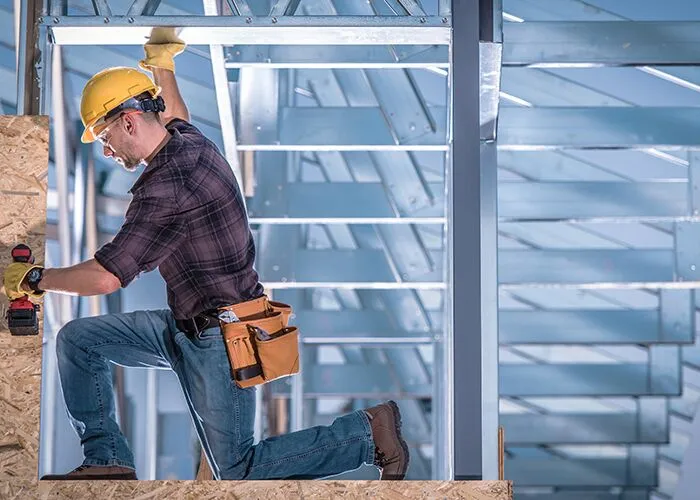
The construction sector uses almost 50% of the steel made worldwide. Steel in construction allows stronger and more flexible designs. Builders trust it to make homes, bridges, and tall buildings. Its power to hold weight, resist damage, and last long makes it better than many other materials. It can bend into shapes without breaking, which helps in smart building styles. Steel in construction makes projects safe, strong, and modern.
It fits with new tools and factory work. Steel parts arrive ready, which cuts waste and saves site time. Repairs are clear and fair in cost. Many builders reuse steel frames, which lowers raw use and supports long service life.
2. Automotive and Transportation
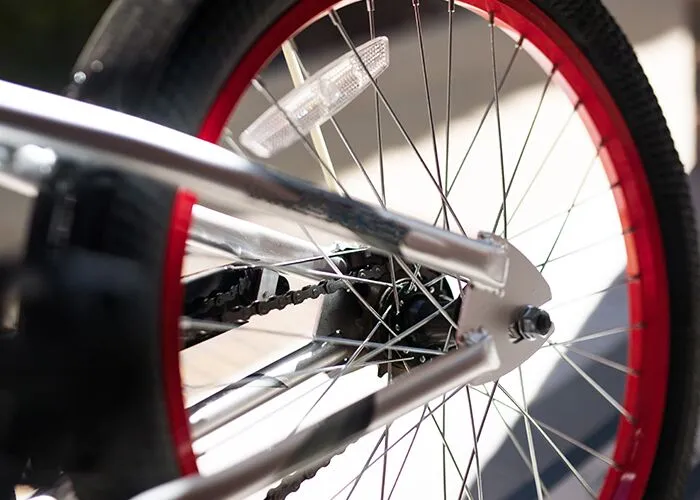
Automotive steel is key to car safety and strength. Over half of a vehicle’s parts are made using steel. It shapes the car’s frame, making it strong enough to protect people during crashes. As the world looks for fuel-saving options, high-strength steel helps reduce weight without losing safety. Trains, ships, and aircraft also depend on steel for their basic build. The steel role in transport is more than just support; it’s the heart of the design.
Steel also supports repair cycles and long service life across roads and rails. It allows repeat shaping and joining during upgrades and rebuilds. This keeps fleets stable, lowers material waste, and supports steady supply chains for makers and operators under strict safety rules and cost limits.
3. Packaging Industry
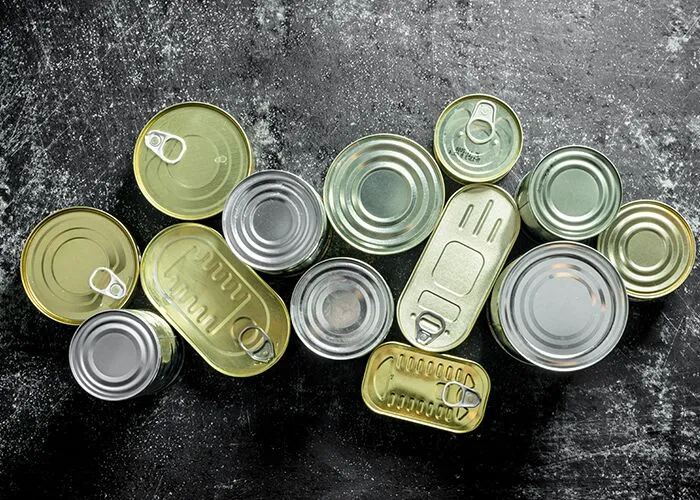
Steel packaging protects goods from air, water, and light. This helps keep food fresh and safe. Its strength also protects the shape of cans during travel and storage. Steel packaging is common in the food and drinks industry and helps keep the real taste of products. Since it is easy to recycle, it suits industries that care about nature. This shows how steel fits into clean, lasting packaging goals across the steel sector.
In many markets, brands trust steel packs for long shelf life and clean storage. The surface stays stable with heat and cold changes. It also allows clear labels and safe sealing, which supports trade rules and customer trust across regions and supply chains.
4. Energy Sector
_1707983121.webp)
Steel is present in nearly all types of energy systems. Whether it’s hydro, wind, solar, oil, gas, or electric power, steel helps build the core of these networks. Its tough nature and ability to handle stress make it perfect for this work.
In wind energy, steel is used in the tall towers and base frames. Solar power supports the frames of panels and tracking systems. Pipelines for oil and natural gas are mostly made from steel. It also forms the base of electric transmission towers.
Beyond structure, steel supports daily operation and repair. Power plants rely on steel parts for boilers, turbines, and safety barriers. It resists heat, load, and weather over a long service life. This steadiness helps energy sites run with fewer stops and lower risk.
5. Machinery and Heavy Equipment
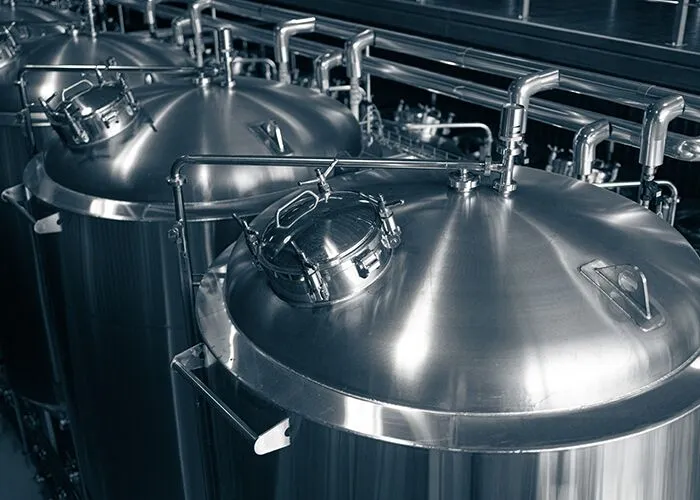
Steel has been part of machines since the start of the industrial age. It helps build strong, lasting tools for many tasks. Whether it’s for farming, mining, road work, or factory jobs, steel makes machines better and safer.
Bulldozers, cranes, drills, and loaders rely on steel frames and parts. Even simple tools like shovels and forks are often made of steel. Modern farming machines, including ploughs and irrigation systems, depend on steel to work well under pressure. Without it, large-scale farming wouldn’t be as fast or reliable.
Steel also supports safety covers, engine mounts, and moving joints that face heat and load each day. In harsh work sites, this metal handles shock, weight, and wear better than many options. It allows repair work on site, which saves time and keeps machines running longer.
Also Read : Galvanized Steel vs. Regular Steel: What Sets Them Apart?
Sree Metaliks – Leading the Way in Sustainable Steel Production
Sree Metaliks Limited is one of the best iron ore miners in the country, manufacturing products that safeguard the environment and save energy. We are an integrated mines-to-manufacturing steel company balancing the needs of our customers with independent and excellent products. We are one of the best illustrations of comprehensive integration of diverse products with synergetic forward and backward linkage that caters to its end-to-end gamut of manufacturing finished steel products. Browse through our website for more information.