
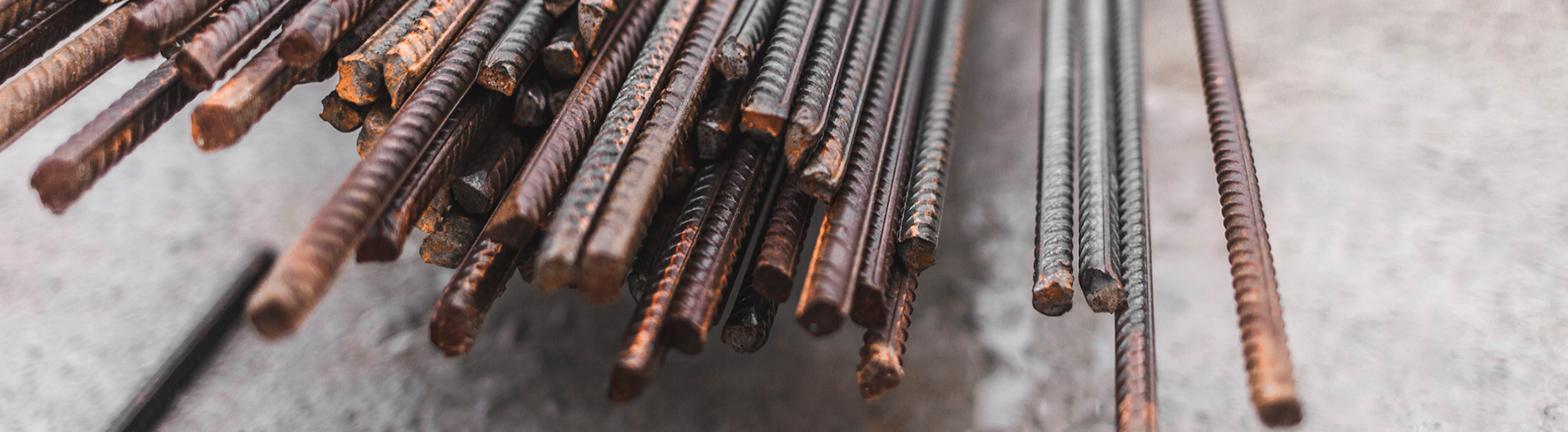
Heat-treated bars are built to face load, stress, and time together. When builders select corrosion resistant TMT bars, they reduce risk from moisture and air. Corrosion behaviour explains how steel reacts to harsh site conditions. Knowing these causes, effects, and prevention steps helps protect investment, safety, and long-term structural health across growing urban and rural building needs.
|
Table of Content
|
Why TMT Bars are Essential for Strong Structures
Concrete gains real strength when steel support works well inside it. The wide TMT bar used today shows how trusted this material has become. From homes to bridges, the uses of TMT bars keep rising due to their bonding strength and load balance. Being thermo-mechanically treated, these bars bend without cracks and support long spans. Many builders now choose corrosion-resistant steel TMT bars for steady performance.
Thermo Mechanically Treated bars, also known as reinforcing bars, have become immensely popular in the construction industry. These bars lend strength and protection to concrete structures. Offering flexibility and durability, these bars are thus easy to use in all forms of construction activities. So much so that today TMT bars have become almost indispensable to modern-day building activities.
Why Corrosion Matters in TMT Bars
Corrosion in TMT Bars is the most crucial aspect in construction because it affects the longevity of construction work. TMT bars, which are of lower quality, corrode easily and tend to lose their load-carrying capacity, which is a threat to the safety of structures. However, high-quality TMT bars with corrosion resistance ensure better structural stability, lower maintenance costs, and long-term performance. Choosing corrosion-resistant TMT bars helps protect buildings from environmental damage and enhances overall construction quality.
What Causes Corrosion in TMT Bars?
Corrosion in TMT bars begins when steel meets water, oxygen, and salts on site. Storage in open yards and poor cover speeds damage. Small surface cracks allow moisture to travel inside the bar. Over time, this leads to loss of section and bond. Rusted TMT bars then fail to hold concrete properly, raising repair costs and safety risk during the service life of structures exposed to harsh weather cycles over the years.
Chemical Reaction of Iron and Moisture
The chemical composition of iron changes and forms rust when it goes through moisture and air oxidation. This chemical reaction is detrimental to the surface of TMT bars. It decreases their strength and overall durability. When privately exposed to water, humidity, and air, iron is more chemically vulnerable and structurally damageable. This also affects the construction material's overall performance.
Environmental and Storage Factors
Environmental factors like high humidity, rainfall, salinity, and pollution accelerate the corrosion of TMT bars. Unsuitable storage conditions, like the direct exposure to moisture or soil, also increases the risk of rust. To minimize corrosion and preserve their strength, TMT bars should be stored under dry conditions and kept away from environmental factors.
Poor Quality or Impure Raw Materials
The use of poor-quality or impure raw materials compromises the manufacturing of TMT bars and increases their susceptibility to corrosion. The dividing line of steel is the moisture resistance. The structural properties of steel weaken over time and the line is stressed. To ensure TMT bars used in construction are of high quality, are strong and corrosion resistant, precise production management and the use of high quality raw materials is a must.
How Corrosion Impacts the Strength of Structures
The load-bearing ability of steel reinforcements are diminished by corrosion. The mechanical strength of reinforcement steel like rusted TMT bars is lost, leading to cracks and instabilities. The use of corrosion resistant TMT bars is important for effective corrosion control and long-term durability. Effective rust prevention retains the safety of structures, lowers maintenance expenses, and increases the service life of reinforced concrete structures.
Best Practices to Prevent Corrosion in TMT Bars
To understand rusting, one must look at the TMT bar raw material used during production. Iron ore reacts fast with air and moisture. Even though these bars are thermo-mechanically treated, exposure still causes TMT bar corrosion over time. This reaction slowly converts iron into oxide and weakens its strength. Many builders prefer corrosion-resistant TMT bars with surface protection, yet handling and storage also affect durability. Small errors during storage invite moisture contact and early damage, which reduces life and load-bearing ability.
Storage Tips
Proper storage lowers early damage and keeps strength intact. Even corrosion-resistant steel TMT bars need care before use. Follow these basic steps to avoid early surface damage and reduce the chances of rusted TMT bars during long storage periods.
- Store bars in dry areas with proper air flow
- Avoid direct floor contact and ground moisture
- Use wooden supports instead of steel racks
- Cover bars during monsoon or high humidity
- Plan early use based on the TMT bar uses on-site
Handling & Cleaning Tips
Handling errors causes surface cracks that invite moisture. These steps help protect bars and support safe uses of TMT bars across all site conditions. Clean handling also supports long term strength of anti-corrosion TMT bars used in heavy structures.
- Lift bars using belts instead of dragging
- Avoid dropping bars from height
- Keep bars away from chemicals and acids
- Use a dry cloth for surface dust removal
- Do not apply oil or water while cleaning
Why Choose Anti-Corrosive TMT Bars from Sree Metaliks
Sree Metaliks' anti-corrosive TMT bars are known for giving strength and durability for long-term durability in construction. These corrosion resistant TMT bars shield the structures from environmental hazards and improve the overall stability of the structure.
Anti-Corrosive TMT bars, unlike rusted TMT bars, do not weaken or lower their load-bearing capacity over time. They even maintain their strength and performance in tough conditions. With the advanced and modern manufacturing processes, moisture and oxidation resistance is guaranteed.
In the long-term, prevention of corrosion is extremely vital for staying safe in buildings and the longevity of the structures. Sree Metaliks’ TMT bars offer reliable rust prevention, reducing maintenance costs and extending the lifespan of structures. By choosing high-quality anti-corrosive TMT bars, builders and engineers can ensure stronger, safer, and more sustainable construction projects.
Also Read: How TMT Bars Strengthen Foundations and Prevent Structural Failure in Buildings