

Stainless steel is a widely used material in several industries owing to its immensely useful properties, such as versatility, durability, and corrosion resistance. And the vast family of stainless steel grades, 316L stainless steel, stands out for various reasons. In this comprehensive guide, we shall tell you all about 316L stainless steel, its differences from 316 stainless steel, the properties of 316L steel, and its benefits. Read on to know more about this wonder alloy.
|
Table of Content
|
We find this metal in so many places today. It helps because it does not rust very easily at all. People like it for big jobs in large factories, and also for the small things we wear, like watches. When you look at the 316L stainless steel, you see a material that truly lasts a long time. It works quite well when things get wet or very salty. Many builders and makers choose it because it is strong but also easy to work with in the shop. It is a special kind of metal that solves many common problems in building things. The world needs materials that stay good for years without breaking down. This guide will show you why this alloy is so helpful and how it stays so tough.
What is 316L Stainless Steel?
Stainless steel belongs to a group of iron-based alloys that have a minimum of 10.5% chromium content. It is resistant to corrosion because of the formation of a non-reactive chromium oxide layer on its surface. This makes stainless steel an ideal material for applications in corrosion-prone areas and environments.
Stainless steel has several grades. The 316 series of stainless steel grades is much in demand. Within this grade, 316L has become the showstopper. The ‘L’ stands for ‘low carbon’ which makes this quality of stainless steel easier to weld and enhances its corrosion resistance capabilities. 316L stainless steel is in heavy demand in several industries owing to these properties.
If you ask what is 316l stainless steel, you will find it is a metal with very little carbon. This small change in the mix makes a big difference when people need to weld parts together. It stops the metal from getting weak at the spots where it was heated by the torch. This makes the whole structure much safer for everyone who uses it.
Major Properties of 316L Stainless Steel
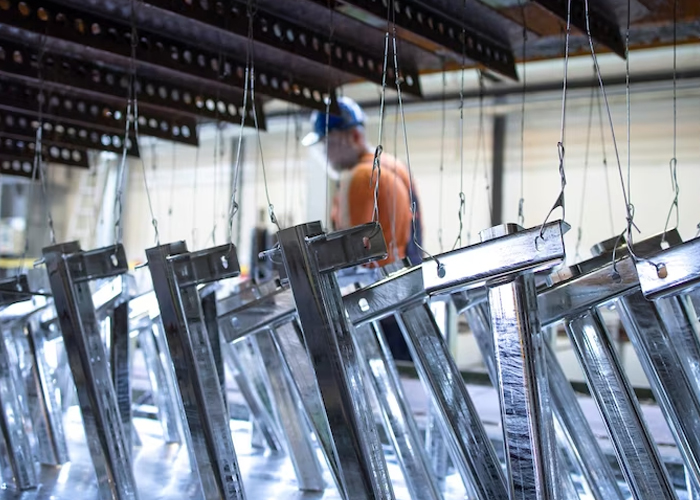
1. Composition: The well-balanced 316L stainless steel composition makes it exceptionally resistant to corrosion. It not only has chromium but also molybdenum, which provides extra resistance to pitting and crevice corrosion, particularly in chloride-rich environments.
2. Mechanical Properties: ss316L boasts immense strength and durability, even at cryogenic temperatures, making it an immensely versatile material for applications requiring resistance to extreme conditions. In addition, despite its strength, 316L stainless steel offers easy moulding into various shapes.
The SS 316L chemical composition includes molybdenum. This part helps the metal fight off salt and chemicals that usually eat through other types of steel. This is why this metal stays solid even when it sits in the deep ocean.
Difference Between 316 and 316L Stainless Steel
Looking at the difference between 316 and 316L stainless steel helps you pick the right one. 316 is strong, but 316L is better for welding because it does not crack easily after it cools down. This makes the L version more useful.
|
Feature |
316 Stainless Steel |
316L Stainless Steel |
|
Carbon Content |
Higher carbon levels. |
Low carbon (under 0.03%). |
|
Welding |
May suffer from carbide precipitation. |
Excellent weldability; no decay. |
|
Corrosion |
High resistance to chemicals. |
Enhanced resistance to intergranular rust. |
|
Strength |
Very high tensile strength. |
Slightly lower but very durable. |
|
Price |
Standard market rate. |
Often slightly more due to processing. |
|
Magnetism |
Non-magnetic (annealed). |
Very low magnetic permeability. |
What are the Applications of SS316 and SS316L?
316 stainless steel properties ensure its versatile uses across several industries, such as food and beverage, pharmaceuticals, marine industries, and chemical processing. It is a highly sought-after material in the manufacture of instruments or components exposed to high temperatures, corrosive agents, and saltwater environments.
Applications of SS 316
-
Food and beverage processing equipment
-
Chemical storage tanks
-
Marine components
-
Valves, pipelines, and heat exchangers
With enhanced properties like easy moulding and improved intergranular corrosion resistance, 316L stainless steel is extensively used in food processing, medical, jewellery, and pharmaceutical industries. The application of 316L stainless steel is found in many high-stakes areas where sterilisation and hygiene are vital.
Applications of SS 316L
-
Medical implants and surgical instruments
-
Pharmaceutical manufacturing equipment
-
Jewellery and decorative items
-
Sanitary and hygienic equipment
Benefits of 316L Stainless Steel
The 316L stainless steel properties allow it to handle heat and rust without failing. This makes it a top pick for many shops.
Excellent Heat Resistance
316L stainless steel is highly heat-resistant, which makes it ideal for use in exhaust systems, heat exchangers, and furnace parts.
Very High Corrosion Resistance
The high corrosion resistance of 316L stainless steel makes equipment built from it easy to maintain and clean. Therefore, it is ideal for industries where maintaining hygiene is crucial, such as food processing and medical equipment.
Aesthetic Appeal
The high corrosion resistance of 316L stainless steel makes equipment built from it easy to maintain and clean. Therefore, it is ideal for industries where maintaining hygiene is crucial, such as food processing and medical equipment
Why Choose Sree Metaliks for 316 & 316L Stainless Steel?

Choosing Sree Metaliks as your supplier matters a lot for your next project. Sree Metaliks provides high-quality metal that meets all the industry rules. We make sure every piece is checked well before it reaches your site. When you check the SS 316 price, you will see that we offer fair value for your money. We want to help you build things that last.
Conclusion
To wrap this up, this metal is a great choice for many reasons. The 316L stainless steel composition makes it unique because it has very low carbon. This helps it stay strong after welding and keeps rust away. When we think about the properties of 316L stainless steel, we see a metal that is tough, pretty, and very useful. It is also important to know the 316 stainless density when you are planning how much material you need for a big job. Choosing this alloy means you are picking quality and a long life for your tools. It is a smart move for any industry that wants to save money.
If you have any further queries on steel grades or want to buy 316 or 316L stainless steel, do contact Sree Metaliks today!