
.png)
Understanding the difference between steel bars and steel billets is essential for construction and manufacturing. Steel billets are semi-finished raw forms used for further processing, while steel bars are finished products ready for use. This guide explains their properties, manufacturing stages, and applications to help you choose the right material.
|
Table of Content
|
Steel is one of the most used materials in industry, yet not everyone knows the difference between steel bars and steel billets. Both may look similar at first glance, but they are not the same. Steel billets are semi-finished forms, while steel bars are finished products ready for use. Confusing the two can lead to costly mistakes, especially in construction and manufacturing. This blog will explain their meaning, manufacturing process, and real usage. With this, you can make better decisions while selecting steel products.
This topic matters because each form serves a clear stage in the steel supply chain. Billets move through rolling and shaping before they become usable sections. Bars reach sites as cut lengths with fixed size and strength limits. Buyers often face confusion at order time, price talks, and delivery checks. Clear knowledge reduces waste, limits delay, and supports safer project planning. When steel type matches the job need, output quality stays steady, and costs remain under control.
What Are Steel Bars
Steel bars are finished products that undergo heating, rolling, or drawing into a fixed shape and size. Unlike semi-finished steel billets, which are earlier-stage forms, bars are ready for direct application in many fields. They can be produced in different grades depending on the required strength or flexibility. The process involves controlled heating followed by shaping through mechanical rollers or dies. This ensures consistency, long durability, and performance.
- Steel bars are available in round, square, flat, hex, and other profiles
- Their strength depends on the type of steel bars chosen for manufacturing or building needs
- Every variation is suited for a different use, including construction and heavy industries
Uses of Steel Billets in Manufacturing
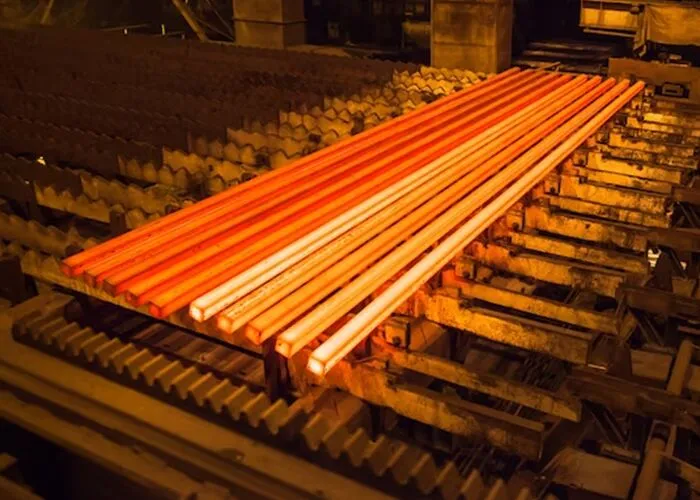
Steel bars are widely used across different industries. Each field uses them for strength, durability, and shaping needs. Unlike semi-finished products, bars are designed to meet direct application requirements.
Construction
- Steel bars for construction provide reinforcement in concrete to add stability
- Bars are also used in roadwork, bridges, and industrial structures
- Steel bar used in construction ensures longer life and safety
Manufacturing
- Bars are shaped into bolts, nuts, shafts, gears, and machine parts
- They are also used to produce tools and heavy equipment parts
- Billet vs bar difference often comes up here, where the bar fits straight into production lines
Automotive
- Components like axles, suspension rods, and chassis parts often use bars
- Engine and transmission systems rely on steel for safe functioning
- Durable parts are created by selecting strong grades in this category
Wire Production
- Steel bars are processed into wires used in fencing, mesh, and panels
- Wire production depends on consistency in shape and strength of the raw bar material
- This is where the billets manufacturing process meets the final shaping of wires through the bar stage
Also Read : Why is Billet Manufacturing so Important?
Common Steel Bar Shapes and Sizes
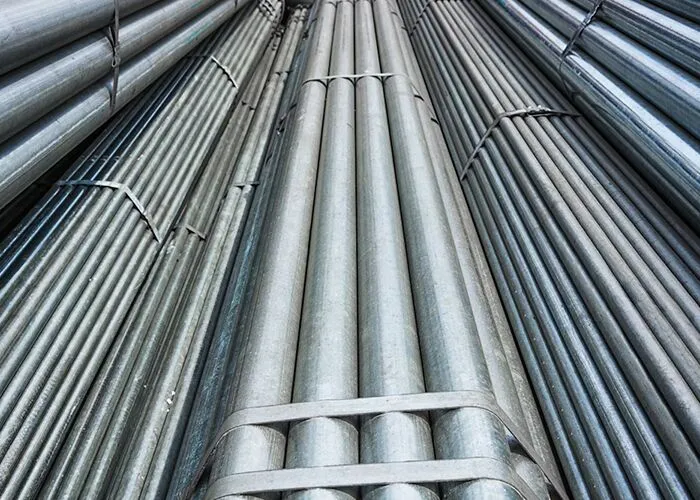
Steel bars come in various shapes and sizes, depending on their intended use.
- The most common shapes are round, square, and rectangular. Round bars are available in sizes ranging from 6mm to 600mm in diameter, while square and rectangular bars range from 10mm x 10mm to 200mm x 200mm in size.
- The size and shape of a steel bar play a crucial role in determining its strength, durability, and other properties.
Manufacturers choose specific bar sizes and shapes based on the requirements of the final product.
| TMT Bar Diameter | Weight per Meter (kg) | Weight of 12 m Bar (kg) | Approx. Length (Feet) |
|---|---|---|---|
| 6 mm | 0.222 kg | 2.66 kg | 39.37 ft |
| 8 mm | 0.395 kg | 4.74 kg | 39.37 ft |
| 10 mm | 0.617 kg | 7.40 kg | 39.37 ft |
| 12 mm | 0.888 kg | 10.66 kg | 39.37 ft |
| 16 mm | 1.58 kg | 18.96 kg | 39.37 ft |
| 20 mm | 2.47 kg | 29.64 kg | 39.37 ft |
| 25 mm | 3.85 kg | 46.20 kg | 39.37 ft |
What Are Steel Billets
Steel billets are a semi-finished product that comes from the billets manufacturing process, where molten steel is poured and cast into a square or rectangular form. They cool down into solid shapes that look like long bars. These billets act as the raw stage in steelmaking, which can later be rolled, stretched, or reshaped into final steel products used in different industries.
- Shape and Form: Usually square or rectangular cross-section.
- Uniform Composition: Stable chemical makeup suitable for further shaping.
- Semi-Finished Stage: Not directly used in the final work but processed into steel bars and other items.
- Durability: Strong enough for use in heavy industries.
Uses of Steel Bars in Manufacturing
The meaning of steel billets lies in their role as the basic input for steel products. After processing, they turn into useful materials seen in construction, automotive, and energy industries. Their flexibility makes them a core input for many applications.
Construction Industry
- Steel billets are shaped into bars that reinforce concrete frames, helping buildings handle load, tension, and daily wear across homes, offices, and public structures.
- They are used in bridges, towers, and road works, where uniform size and strength support long spans, traffic weight, and steady service life.
Engineering and Forging
- Billets are heated and forged into gears, crankshafts, and rods, allowing precise shapes that fit machines and carry repeated force during operation.
- The solid grain structure helps heavy machine parts stay stable, reduce break risk, and keep alignment under load in plants and workshops.
Automotive Sector
- In vehicles, billets become engine parts, axles, and transmission pieces, meeting tight size needs while handling heat, friction, and constant motion.
- Their strength supports moving systems, helping cars and trucks deliver smooth power transfer and dependable service across long driving cycles.
Energy Applications
- Steel billets are formed into parts for wind turbines, shafts, and frames, where steady quality supports rotation and balance in open environments.
- They suit energy machines that face high stress, temperature change, and long duty hours, keeping output stable through demanding project timelines.
Steel Bars vs. Steel Billets: A Side-by-Side Comparison
When it comes to the billet vs bar debate, they differ in design, finish, and usage. Both materials are used widely but have their own space in industrial needs.
|
|
|
|
|
|
|
|
|
|
|
|
|
|
|
|
|
|
|
|
|
|
|
|
|
|
|
|
Read more: TMT Bars Length and Weight Chart Complete Overview
Conclusion
Steel bars and steel billets are essential steel products with different roles. Steel billets are semi-finished, produced by casting molten steel into square or rectangular shapes. Steel bars are finished products made by rolling or shaping billets. Each has its unique properties that suit different uses. Steel bars for construction provide strength and durability to concrete frameworks, while billets serve as the raw material for many steel forms.
Choosing the right steel product can impact the quality of manufacturing and construction projects. At Sree Metaliks Limited, quality steel bars and billets are ensured to meet high standards. Contact us for superior steel solutions to boost your next project.
Key Takeaways
- Steel billets are semi-finished steel products used as raw material for further processing.
- Steel bars are finished products that are ready for direct use in construction and manufacturing.
- Billets are usually square or rectangular with a rough surface and require further shaping.
- Steel bars come in fixed shapes like round, square, and flat with smoother finishes.
- Billets are used in rolling, forging, and extrusion processes to create final steel products.
- Steel bars are widely used in construction, machinery, automotive parts, and infrastructure projects.