
|
Table of Content
|
Overview Summary
Hematite and magnetite are the two most important iron ores used to make steel worldwide. While both supply the iron that becomes TMT bars, beams, sheets, and countless other products, they differ in chemical composition, iron content, magnetism, appearance, and how they're processed. This guide explains the difference between hematite and magnetite in clear, simple terms, covering their properties, mining, processing methods, advantages, and uses, along with insights into India's iron ore landscape and what to look for in reliable iron ore manufacturers in India.
Key Takeaways
- Hematite (Fe₂O₃) and magnetite (Fe₃O₄) are the two main iron ores used in steelmaking
- Magnetite has a slightly higher theoretical iron content, but natural magnetite deposits are often lower grade
- Hematite is weakly magnetic, while magnetite is strongly magnetic, which affects how each is processed
- Hematite ore is often richer in its natural state and needs simpler processing
- Magnetite ore usually requires fine grinding and magnetic separation to produce high-grade concentrate
- Magnetite concentrate produces high-quality pellets with energy advantages during pellet firing
- India's iron ore production is dominated by hematite, with magnetite resources concentrated in a few states
Introduction
Every steel product begins with iron ore. From the reinforcement bars in a building's foundation to the body of a car, iron extracted from ore forms the base of modern infrastructure and manufacturing.
Among the many iron-bearing minerals found in nature, two stand out for their commercial importance: hematite and magnetite. Both are iron oxides and both are mined in large quantities, yet they behave quite differently once they leave the ground. Their composition, magnetism, appearance, and grade influence how they're processed and how efficiently they can be turned into steel.
Understanding hematite vs magnetite helps explain why mining companies choose different processing routes, why ore prices vary, and why certain ores suit specific steelmaking processes. This guide breaks down the comparison in a simple, practical way.
The Basics Surrounding Iron Ore
Iron ore is a rock or mineral deposit from which iron can be extracted economically. It's the primary raw material for steel production.
Common iron ore minerals include:
- Hematite (Fe₂O₃): The most widely mined iron ore
- Magnetite (Fe₃O₄): A strongly magnetic iron ore
- Goethite and Limonite: Hydrated iron oxides with lower iron content
- Siderite: An iron carbonate mineral used less commonly
Of these, hematite and magnetite account for the vast majority of iron ore used in steelmaking around the world.
Know More About Hematite Iron Ore
Hematite iron ore is an iron oxide mineral with the chemical formula Fe₂O₃. Its name comes from the Greek word for blood, reflecting the reddish colour of its streak and powder.
Key Features of Hematite
- Chemical formula: Fe₂O₃
- Theoretical iron content: About 70%
- Colour: Reddish-brown, steel grey, or black
- Streak: Reddish-brown
- Magnetism: Weakly magnetic
- Natural grade: Often high, making some deposits suitable for direct use after basic processing
Forms of Hematite Ore
- Lump ore: Larger pieces used directly in blast furnaces
- Fines: Smaller particles that are sintered or pelletised before use
- Massive hematite: Dense, high-grade deposits
- Banded hematite: Found in banded iron formations, often requiring beneficiation
Hematite is the most widely mined iron ore globally and forms the backbone of iron ore production in countries such as Australia, Brazil, and India.
What Is Magnetite Iron Ore?
Magnetite iron ore is an iron oxide mineral with the chemical formula Fe₃O₄. It's the most magnetic naturally occurring mineral on Earth.
Key Features of Magnetite
- Chemical formula: Fe₃O₄
- Theoretical iron content: About 72%
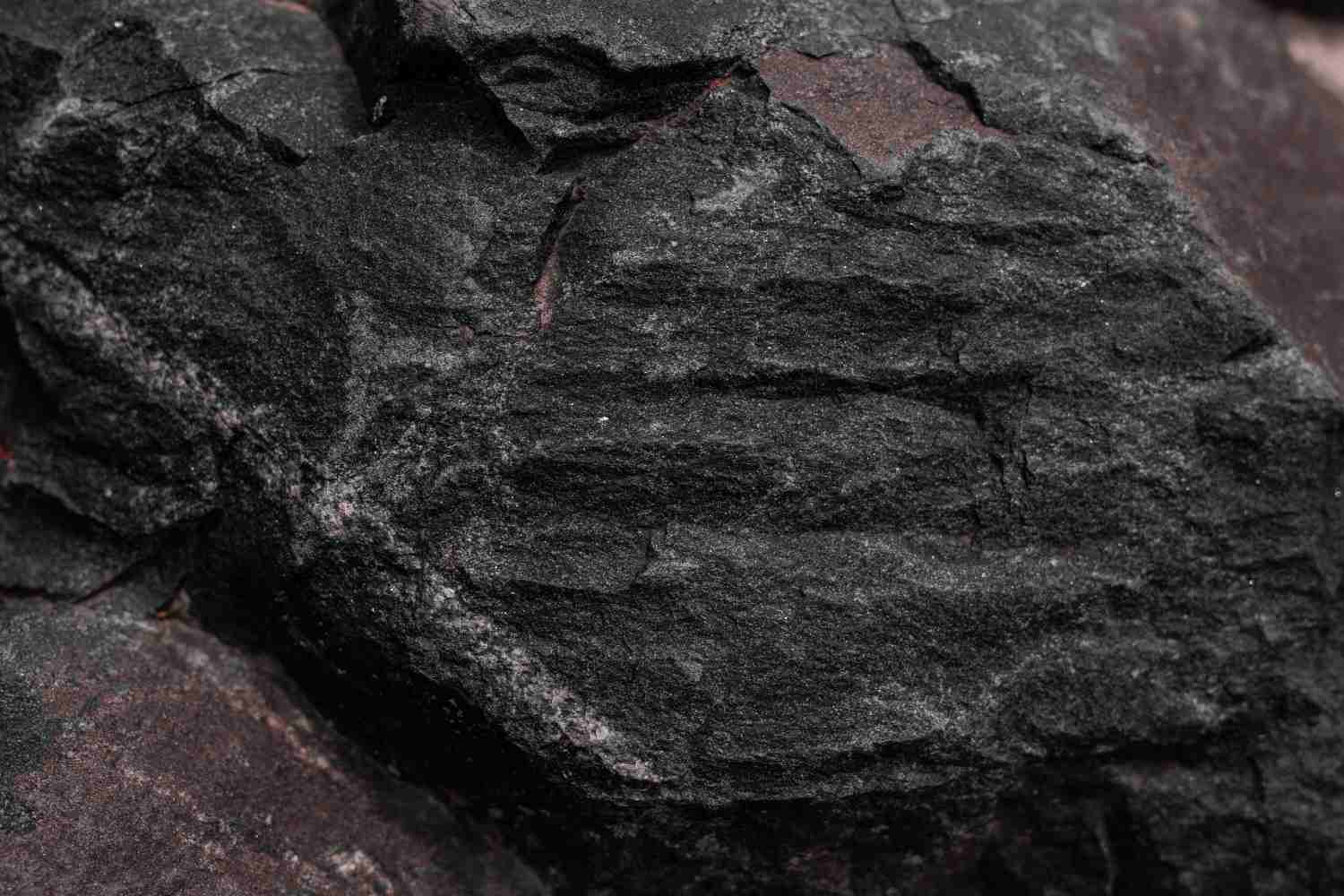
- Colour: Black or dark grey with a metallic lustre
- Streak: Black
- Magnetism: Strongly magnetic
- Natural grade: Often lower grade in deposits, mixed with silica and other minerals
Common Magnetite Deposits
- Magnetite-bearing banded iron formations
- Titaniferous magnetite, which contains titanium and vanadium
- Magnetite quartzites, which require extensive processing
Although magnetite has slightly higher iron content in its pure form, many deposits contain only 20–35% iron in their natural state, so they must be upgraded before use.
Key Differences Between Hematite and Magnetite
Understanding the hematite magnetite difference goes beyond chemical formulas. These differences affect mining, processing, and steelmaking decisions.
1. Chemical Composition
- Hematite contains iron in a single oxidation state
- Magnetite contains iron in two oxidation states
- This difference influences how each ore behaves during processing and heating
2. Iron Content
- Pure magnetite has slightly more iron than pure hematite
- Natural hematite deposits are often richer, meaning they can be used with less upgrading
- Natural magnetite deposits are frequently lower grade and need concentration
3. Magnetic Properties
- Magnetite is strongly attracted to magnets
- Hematite is only weakly magnetic
- This makes magnetic separation highly effective for magnetite, but less so for hematite
4. Appearance and Identification
- Hematite leaves a reddish-brown streak on unglazed porcelain
- Magnetite leaves a black streak and attracts a magnet
- These simple tests help geologists distinguish between the two
5. Processing Requirements
- Hematite often needs crushing, screening, and washing
- Magnetite typically needs fine grinding, magnetic separation, and pelletising
6. Cost and Investment
- Hematite operations usually have lower processing costs
- Magnetite projects often require higher upfront investment in processing plants, but can deliver premium-quality concentrate
This table summarises the main hematite and magnetite differences at a glance.
|
Feature |
Hematite |
Magnetite |
|
Chemical Formula |
Fe₂O₃ |
Fe₃O₄ |
|
Theoretical Iron Content |
About 70% |
About 72% |
|
Typical In-Situ Ore Grade |
Often higher; many deposits rich in iron |
Often lower, many deposits around 20–35% Fe |
|
Colour |
Reddish-brown to steel grey |
Black to dark grey |
|
Streak |
Reddish-brown |
Black |
|
Magnetism |
Weakly magnetic |
Strongly magnetic |
|
Processing Need |
Simpler for high-grade ores |
Requires fine grinding and magnetic separation |
|
Common Products |
Lump ore, fines, sinter feed |
High-grade concentrate, pellet feed |
|
Processing Cost |
Generally lower |
Generally higher |
|
Concentrate Purity |
Varies by deposit |
Can produce very high-grade concentrate |
Hematite Iron Ore Processing
Hematite iron ore processing depends largely on the grade of the deposit. High-grade hematite needs relatively simple treatment, while lower-grade ores require beneficiation.
Typical Processing Steps
- Mining: Usually open-pit mining using drilling and blasting
- Crushing: Breaking large rocks into smaller pieces
- Screening: Separating material into lump ore and fines
- Washing and scrubbing: Removing clay, silica, and other impurities
- Beneficiation (for lower grades): Using methods like gravity separation, high-intensity magnetic separation, or flotation
- Agglomeration: Fines are converted into sinter or pellets for blast furnace use
Benefits of Hematite Processing
- Simple processing route: High-grade ore needs only crushing, screening, and washing.
- Lower operating costs: Minimal beneficiation reduces energy and equipment requirements.
- Direct shipping potential: Premium ore can go straight to steel plants without upgrading.
Products From Hematite Processing
- Lump ore: Charged directly into blast furnaces
- Sinter feed: Fine ore used in sinter plants
- Pellet feed: Very fine concentrate used for pelletising
High-grade hematite is often called direct shipping ore because it requires minimal processing before being sent to steel plants.
Magnetite Iron Ore Processing
Magnetite iron ore processing is more intensive because natural magnetite deposits are often lower grade. However, its strong magnetism makes separation highly efficient.
Typical Processing Steps
- Mining: Extracting magnetite-bearing rock, usually through open-pit mining
- Crushing: Reducing ore to smaller pieces
- Grinding: Finely grinding ore to release magnetite particles from waste minerals
- Magnetic separation: Using magnets to separate magnetite from silica and other impurities
- Concentration: Producing a high-grade concentrate, often above 65% iron
- Pelletising: Forming concentrate into pellets for blast furnaces or direct reduction plants
Benefits of Magnetite Processing
- High-purity concentrate: Low levels of impurities like silica and alumina
- Efficient separation: Magnetic properties make separation effective
- Energy advantages during pelletising: Magnetite releases heat when oxidised during pellet firing, reducing fuel requirements
Products From Magnetite Processing
- Magnetite concentrate: High-grade product, often above 65% iron, sold to pellet plants
- Pellets: Uniform balls used in blast furnaces and direct reduction plants
- Pellet feed: Very fine concentrate prepared specifically for pelletising
Magnetite concentrate is often called a premium feed because its high iron content and low impurities make it ideal for pelletising and direct reduction.
Advantages and Limitations of Each Ore
Both ores have strengths and challenges that influence how they're used.
Hematite Iron Ore
Advantages:
- Often high-grade in its natural form
- Lower processing costs
- Suitable for direct use as lump ore
- Widely available globally
Limitations:
- High-grade reserves are gradually depleting worldwide
- Lower-grade hematite can be harder to beneficiate
- Impurity levels vary significantly between deposits
Magnetite Iron Ore
Advantages:
- Produces very high-grade, low-impurity concentrate
- Strong magnetism enables efficient separation
- Ideal for premium pellets used in modern steelmaking
- Energy advantages during pellet firing
Limitation:
- Natural deposits are often low grade
- Requires energy-intensive grinding
- Higher capital and operating costs
- More complex processing infrastructure
Uses of Hematite and Magnetite
Both ores are mainly used in steel production, but they also have other applications.
Uses of Hematite
- Steelmaking: Primary raw material for blast furnaces
- Pigments: Red ochre used in paints and coatings
- Polishing compounds: Used in jewellers' rouge
- Radiation shielding: Used in heavy concrete in some applications
- Jewellery and decorative stones: Polished into beads, cabochons, and ornamental pieces
Uses of Magnetite
- Steelmaking: High-grade pellets for blast furnaces and direct reduced iron
- Heavy media separation: Used in coal washing
- Heavy concrete: For radiation shielding and counterweights
- Water filtration: In certain treatment processes
- Magnetic applications: Used in some industrial and electronic products
Hematite and Magnetite in India
India is one of the world's major iron ore producers, and the majority of its production comes from hematite.
Hematite in India
- Dominant ore type: Accounts for most of India's iron ore production
- Major producing states: Odisha, Jharkhand, Chhattisgarh, Karnataka, and Goa
- Main uses: Supplying blast furnaces, sinter plants, and pellet plants across the country
Magnetite in India
- Resource base: India has significant magnetite resources, though production is far smaller than hematite
- Key regions: A large share of resources is located in Karnataka, with other deposits in states such as Andhra Pradesh, Goa, Jharkhand, and Rajasthan
- Potential: As high-grade hematite reserves decline, beneficiated magnetite may play a larger role in meeting future demand
With India's steel production growing steadily, both ores, along with beneficiation and pelletisation technologies, are becoming increasingly important to ensure a reliable supply of quality raw materials.
Which Ore Is Better for Steelmaking?
The hematite vs magnetite iron ore debate doesn't have a single winner. The better option depends on the project, location, and steelmaking process.
- Choose hematite when high-grade deposits are available and lower processing costs are a priority
- Choose magnetite when producing premium, low-impurity pellets is the goal
- Blast furnace operations commonly use both lump hematite and pellets from either ore
- Direct reduced iron plants often prefer high-grade pellets, which magnetite concentrate can supply effectively
- Long-term planning may favour magnetite as high-grade hematite resources become scarcer
In practice, many steelmakers use a blend of ores and agglomerates to balance cost, quality, and furnace performance.
Choosing Reliable Iron Ore Manufacturers in India
For steel plants, pellet producers, and industrial buyers, sourcing the right iron ore is critical. When evaluating iron ore manufacturers in India, consider the following:
- Consistent quality: Stable iron content and low impurity levels across supplies
- Clear specifications: Detailed chemical analysis and size distribution
- Processing capabilities: Beneficiation, pelletisation, or sintering facilities
- Product range: Availability of lump ore, fines, concentrate, or pellets
- Testing and certification: Independent lab testing and quality documentation
- Regulatory compliance: Adherence to mining, environmental, and safety regulations
- Supply reliability: Ability to meet volumes and delivery timelines consistently
- Logistics strength: Efficient transportation through rail, road, or port connectivity
- Sustainability practices: Responsible mining, water management, and land reclamation
Working with experienced and reliable suppliers, like Sree Metaliks, helps steelmakers maintain efficient operations and consistent product quality.
Conclusion
Hematite and magnetite are both vital to the global steel industry, yet they differ in composition, magnetism, appearance, grade, and processing needs. Hematite iron ore is often richer in its natural form and easier to process, making it the most widely mined iron ore, especially in India. Magnetite iron ore, while frequently lower grade in deposits, can be upgraded into very high-quality concentrate and premium pellets thanks to its strong magnetism.
Understanding the difference between hematite and magnetite helps explain how mining companies plan operations and how steelmakers choose raw materials. As high-grade reserves decline and demand for quality steel grows, efficient processing and reliable sourcing from trusted iron ore manufacturers in India will play an increasingly important role in shaping the future of the steel industry.