
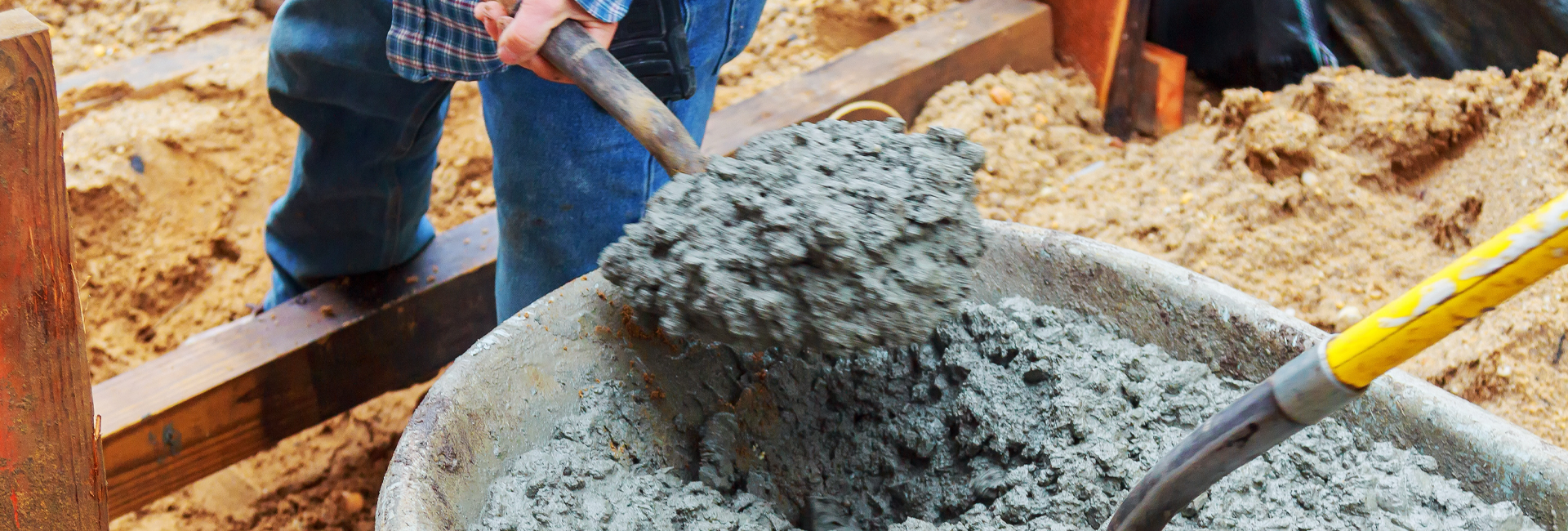
To see what PCC is in construction, think of a base layer, flooring bed, or levelling course. To understand what RCC is in construction, look at slabs, beams, columns, and roofs. Both are useful, but they fit different stages and different structural needs in a project. Choosing the right one keeps work safe, stable, and cost-aware.
|
Table of Content
|
What is PCC - PCC Full Form, Meaning & Properties
Before comparing field performance, it helps to know the base idea of PCC. In simple terms, PCC meaning in construction, refers to plain concrete used without steel support. It is common in base preparation, leveling work, and areas where the structural load stays limited and direct.
PCC Full Form
The PCC full form is Plain Cement Concrete. In site work, this term refers to a basic concrete mix made with cement, sand, aggregate, and water. It is used to create a firm, level surface before the main structural work starts.
What is PCC in Construction?
What is PCC in construction can be understood as a simple concrete layer placed where steel reinforcement is not needed. It is used for base beds, surface leveling, and foundation support layers because it spreads well, sets evenly, and keeps early work stable.
Properties of PCC
PCC shows simple mechanical behavior under load. It handles pressure well but reacts poorly to pull forces. Cracks may appear with time if stress rises. Its stable nature supports light-duty tasks and base layers where shape and level matter more than load.
- Lacks reinforcements and depends only on its mix strength for performance.
- Exhibits good compressive strength but remains weak under tensile stress.
- Used mainly in non-structural parts that do not carry heavy loads.
- Weatherproof surface yet prone to cracking under repeated tensile action.
Types of PCC in Construction
The type of PCC in construction depends on where the mix is being used and what kind of base support the site needs. Some forms are chosen for leveling, while others are used for mass filling or surface preparation.
Levelling PCC
This type is placed to make the ground even before footing, flooring, or foundation work begins. It helps control the line, level, and clean placement of the next construction layer.
Foundation Bed PCC
This mix is laid under footings to separate structural concrete from soil. It gives a dry, firm, and uniform base for the next stage of foundation work.
Floor Base PCC
Used below finished flooring, this layer creates a flat and compact bed. It also helps reduce direct contact between the flooring material and the uneven ground below.
Mass PCC
This form is used where bulk filling is needed without steel bars. It suits non-structural zones that need volume, support, and simple load distribution.
Drainage Slope PCC
This type is laid with a slight slope in open areas or utility zones. It helps water move in the right direction and supports better site drainage.
What is RCC – RCC Full Form, Meaning & Properties
RCC is used where the structure must carry more than surface weight. In simple terms, RCC meaning in construction, refers to concrete combined with steel bars so the member can resist both compression and tension. That is why it is common in major structural parts.
RCC Full Form
The RCC full form in construction is Reinforced Cement Concrete. It combines concrete with steel reinforcement to improve load-bearing capacity. This makes it suitable for members that face bending, pulling forces, and heavy service conditions in buildings and civil works.
What is RCC in Construction?
What RCC in construction is best explained as concrete strengthened with steel bars to resist tension and bending. It is used in beams, slabs, columns, and roofs where plain concrete alone would not give the strength needed for safe structural performance.
Properties of RCC
RCC behaves as a composite material. Added bars improve pull resistance and limit cracks. The properties of RCC make it suitable for demanding conditions. It remains stable under load changes and performs well during ground movement or vibration.
- Has steel as an addition to improve tensile strength and control cracks.
- High durability with strong resistance to weathering and aging.
- Used for load-bearing elements that support major structural loads.
- Provides better resistance during earthquakes and dynamic forces.
Types of RCC in Construction
The types of RCC in construction are selected based on structural role, span, load, and design method. Each form supports a different part of the building frame and helps the structure carry force in a planned way.
RCC Slab
This is one of the most common forms in buildings. It is used for floors and roofs and spreads the load across a wider area with support from beams or walls.
RCC Beam
Beams carry the load from slabs and transfer it to columns or walls. They are built to resist bending stress and help hold the frame together.
RCC Column
Columns are vertical members that carry the load of the upper parts down to the foundation. They are key to the strength and balance of a multi-storey structure.
RCC Footing
Footings sit below columns or walls and spread structural load into the soil. They help reduce pressure concentration and improve stability at the base.
RCC Staircase
This type is used in homes, offices, and public buildings. It gives a strong stair system that handles daily movement and stays integrated with the structural frame.
Difference Between PCC and RCC
This section explains the difference between PCC and RCC by comparing mix design, strength behavior, cost impact, and site use. It helps readers judge material choice for slabs, bases, and frames without confusion.
|
Feature |
PCC (Plain Cement Concrete) |
RCC (Reinforced Cement Concrete) |
|
Reinforcement |
No steel reinforcement |
Uses steel bars for reinforcement |
|
Strength |
Good compressive strength, poor tensile strength |
Strong in both compression and tension |
|
Usage |
Used for non-load-bearing structures |
Used for structural and load-bearing components |
|
Durability |
Less durable in high-stress environments |
Highly durable and long-lasting |
|
Cost |
Cheaper due to the absence of steel |
More expensive due to reinforcement |
|
Flexibility |
Prone to cracking under tension |
Withstands bending and stress better |
|
Earthquake Resistance |
Poor |
Good due to reinforcement |
|
Installation Method |
Simple placement and leveling |
Requires formwork, bar fixing, and staging |
|
Maintenance |
Minimal after setting |
Periodic checks for steel protection |
|
Curing Time |
Shorter curing cycles |
Longer curing for full strength |
Uses of PCC in Construction
PCC finds a place in everyday building work. It forms clean, flat layers and controls moisture movement. Uses of PCC are common in early phases of projects where strength demand stays low, and surface regularity matters most.
- Floors in residential and commercial buildings for smooth base layers.
- Upper-leveling course of soil below RC structures for even load spread.
- Roads, pavements, and footpaths with light traffic exposure.
- Damping layer to reduce moisture transfer from ground surfaces
Uses of RCC in Construction
RCC dominates modern structural design. Uses of RCC cover major civil works where safety and load transfer matter. It supports vertical and horizontal members and allows flexible architectural planning.
- Beams, columns, and slabs form the main building frame.
- Bridges, dams, and tunnels are exposed to heavy loads and water pressure.
- Water tanks and retaining walls require controlled crack behavior.
- High-rise and mid-rise industrial buildings with long service life.
PCC vs RCC – Which One Should You Choose?
Choose PCC in construction when the work needs a plain base for flooring, walkways, or road bedding. It suits areas where loads stay light. Select RCC in construction for beams, columns, and slabs. These members face stress daily. The uses of PCC are limited to leveling layers. The uses of RCC extend to frames, supports, and roofs where safety matters. Correct selection reduces repair cycles, controls cost planning, and keeps schedules steady during site execution phases for long-term projects.
Read More : RCC Column Footing in Construction
Conclusion
Both materials answer different needs. PCC vs. RCC selection depends on load, span, and service life. Plain concrete fits base layers and surface beds. Reinforced concrete suits frames that face pull and bend. India supplies steel through strong iron ore mining, which supports reinforced work. Clear knowledge of mix behavior, cost range, and site stress helps teams plan better builds. For project guidance and material supply discussion, contact Sree Metaliks at Sales@sreemetaliks.com for support. This approach limits waste, avoids delay risks, and aligns design intent with field practice across varied building scales during planning, execution, and review stages for teams
For more information, please reach out to us at: Sales@sreemetaliks.com