
|
Table of Content
|
Introduction
Concrete is one of the most employed construction materials; however, the effectiveness of this versatile material largely depends on its mixing, placement, and the subsequent curing process. Concrete quality is affected by concrete bleeding, which occurs in the early stages of the material's in-situ placement. It is of critical importance for builders, site engineers, and supervisors to understand what bleeding of concrete is to construct enduring structures.
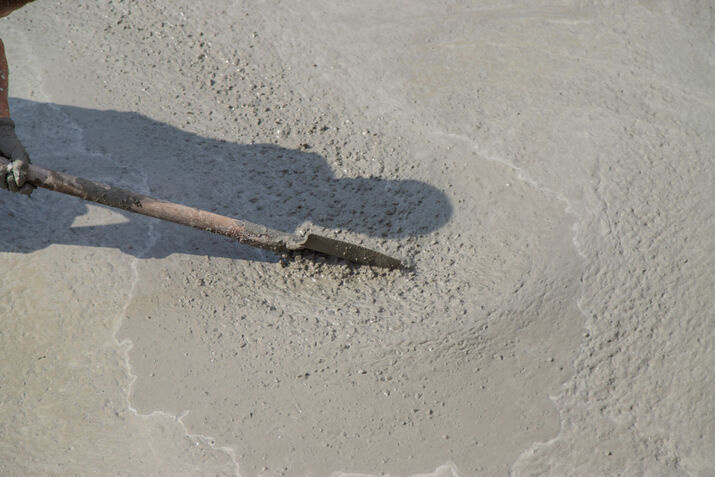
Simply put, this is defined as the movement of the water to the concrete surface as a consequence of the settlement of the solid particles within the mixture. In small quantities, concrete bleeding is expected; however, large quantities can cause critical and debilitating structural failures. In the concrete bleeding definition, this process is identified as a type of separation and is similar to segregation.
Understanding Concrete Bleeding
Understanding bleeding of concrete is essential for ensuring strong and durable structures. It refers to the upward movement of water in freshly mixed concrete, which can affect surface quality, strength, and overall performance if not properly controlled during construction.
Key Components
- Concrete bleeding occurs when water floats to the surface after hardening
- This results from the settling of the larger particles in the concrete.
- Creates a surface layer of water
- Weakens the top surface and decreases density
The Concept Of Concrete Bleeding
Water separating from the body of the concrete
- occurs in the mixing stage before the concrete body hardens
- Related to segregation and bleeding of concrete
- Too much bleeding results in deteriorating the surface
Factors That Cause Concrete Bleeding
Concrete bleeding can occur due to several mix design, material, and environmental factors. Understanding these causes helps control excess water movement and improve concrete quality.
High Water-Cement Ratio
- High water-cement ratio promotes too much bleeding
- Water naturally rises
- This causes the concrete to separate.
Incorrect Mix Proportions
- Inadequate cement impacts the concrete's ability to maintain its firmness.
- Too much concrete promotes too much bleeding
- More water means a greater risk of bleeding
Lack of Fine Aggregates
- Fewer fine particles mean weaker cement
- Water rises and escapes more easily
- Properly grading concrete helps decrease bleeding.
Environmental Conditions
- Hot conditions promote too quick evaporation.
- Low humidity and High winds can all promote more surface water
Poor Handling and Over-Vibration
- Unbalanced solid masses is caused by over-vibration
- Poor handling can cause a wrong distribution of water, stopping bleeding.
- Improperly placing the concrete also causes the separation of the different components to occur.
All of these are part of the causes of bleeding of concrete.
Common Causes of Concrete Bleeding and Their Impact
| Cause | How It Contributes to Bleeding | Impact on Concrete |
| High Water-Cement Ratio | Excess water rises to the surface during settlement | Weak surface, reduced strength |
| Incorrect Mix Proportions | Poor balance of cement, aggregates and water causes separation | Higher bleeding risk |
| Lack of Fine Aggregates | Lower cohesion allows water to escape easily | Increased surface bleeding |
| Environmental Conditions | Heat, wind or low humidity accelerate water movement | Surface defects and cracking |
| Poor Handling / Over-Vibration | Disturbs particle settlement and promotes water separation | Segregation and uneven concrete |
Prolonged Effects of Concrete Bleeding
The prolonged effects of concrete bleeding can significantly compromise structural integrity over time, leading to reduced strength, increased porosity, surface cracking, weak bonding with reinforcement, and long-term durability issues if not properly controlled during mixing, placement, and curing stages in construction projects.
Lessening of Strength
- Water thins the cement paste
- Alters the bonds of cement particles
- Decreases the capacity to withstand loads
Cracking of the Surface
- May cause cracks due to shrinkage from fast evaporation
- Structural durability is weakened
- Prevalent in slabs and pavements
Porosity of Surface Increases
- Water is left in the concrete after evaporation
- Increasing the permeability of concrete
- It can cause corrosion of steel fibres.
Damages on the Surface
- Leads to the formation of laitance
- Textures and surfaces become uneven and dusty
- Results in inferior finishing
Durability Decreases
- Structures become fragile
- Decreases the lifespan of structures
- It is clearly visible through the bleeding of the concrete
Bleeding and Segregation of Concrete
Bleeding and segregation are two common issues in fresh concrete that can affect uniformity, strength, and durability. While both involve separation within the mix, they differ in cause and impact, making it important to understand their relationship.
Difference Between Bleeding and Segregation
| Aspect | Bleeding | Segregation |
| Definition | Upward movement of water to the surface | Separation of aggregates from cement paste |
| Main Cause | Excess water in mix | Poor mix proportion or handling |
| Effect on Concrete | Weak surface and laitance | Non-uniform and weak concrete |
| Impact | Reduced durability | Reduced structural integrity |
| Prevention | Proper water control | Correct mix design and placement |
- Segregation = separating of aggregates.
- Bleeding = the separation of the water
Combined Effects on Concrete
- It leads to uneven concrete.
- Weakens layers of the slab.
- It affects the sustainability of the structure.
Proper design of the mixture of concrete can eliminate this issue.
Categories of Bleeding of Concrete
Surface Bleeding
- Water rises to the surface of the concrete.
- An observable layer is formed on the surface of the concrete.
- It is prevalent in flat concrete surfaces.
Internal Bleeding
- Water is trapped in the bed of concrete surfaces
- It leads to the construction of voids under the aggregates.
- It reduces the bearing capacity of concrete.
Bleeding with Uniform and Non-Uniform Patterns
- Uniform bleeding occurs at a uniform rate.
- Non-uniform bleeding occurs in different patches.
- Patchy bleeding is the most serious case.
This illustrates the categories of types of bleeding in concrete.
Influences on Bleeding of Concrete
• Water-Cement Ratio:
- A higher ratio corresponds with a higher bleeding risk
- A balanced ratio indicates bleeding stability
• Aggregate Properties: Aggregate size and grading can impact bleeding, with finer aggregates more likely to reduce bleeding.
• Cement Type: Cement type can affect the bleeding of a mixture. Some mixes are more prone to bleeding.
• Temperature & Weather: Hot and dry temperatures can negatively influence bleeding, though controlled conditions can mitigate this
These methods can help address the factors affecting the bleeding of concrete
Identification Of Concrete Bleed
Visual Signs
- Surface water layer
- Shiny/slick look
- Water pooling on edges
Performance Indicators
- Surface delay
- Weak surface
- Surface Texture
Detecting bleeding of concrete is crucial to minimise effects.
Prevention Methods For Concrete Bleeding
Effective prevention of bleeding of concrete involves proper mix design, controlled water content, use of quality materials, and correct placement and curing practices to ensure durable and high-quality construction.
Control Water Content
- Control water-cement ratio
- Control on-site water
Use of Well-Graded Aggregates
- Improves cohesion
- Improves water movement
Add Admixtures
- Water-reducing agents improve the mix
- Enhances workability without excess water
Proper Curing
- Decreases surface water evaporation
- Maintains moisture balance
Environmental Control
- Protect concrete from heat and wind
- Use curing compounds if needed
These methods help reduce concrete bleeding.
Role Of Quality Construction Materials: Best TMT Bars in India
Good and reliable TMT bars provide reinforcement strength and work with concrete to resist loads. Concrete bleeding reduces the adhesion around bars. To use the best TMT bars in India, choose firms like Sree Metaliks that have innovation and excellence in TMT bars. Our TMT bars involve the following:
- Corrosion resistance
- Highly ductile and strong
- Choose certified manufacturers
Coupling the best TMT bars in India with quality concrete guarantees builders’ durable structures.
Conclusion
For all fortifying and reconstructing purposes, bleeding of concrete must be understood in order for the desired outcome of construction to be left to the material and not be a danger to the occupants. What is bleeding of concrete, as well as the importance of spotting early causes to bleeding of concrete, must be understood by all who undertake engineering and construction to avert the negative and dangerous structural effects. Excessive water, an uninsightful mix design, as well as unanticipated events, all cause bleeding of concrete, and the outcomes have a negative impact on the strength and aid in the structural deficiencies.
Knowing the types of bleeding of concrete and the factors that affect bleeding of concrete is also crucial to craft practical strategies to minimise bleeding of concrete. When the best TMT bars in India are used as quality materials to reinforce concrete, the performance of the structure inexplicably increases.